

Early Warning Signs of Roof Damage Every Homeowner Should Recognize

Roof damage rarely starts as a major problem. It begins with small changes that are easy to overlook. ”
SLIDELL , LA, UNITED STATES, January 16, 2026 /EINPresswire.com/ -- Roof damage rarely announces itself with immediate leaks or visible collapse. In many cases, deterioration begins quietly, progressing over time until repairs become more complex and costly. Early identification allows homeowners to address issues before they escalate, preserving structural integrity and interior protection.— Jules Albert III
This checklist outlines common early indicators of roof damage that homeowners can monitor throughout the year.
1. Shingle Condition
Shingles serve as the primary barrier against moisture and wind. Early warning signs include:
Curling or lifting edges
Cracked surfaces
Missing shingles
Bald spots where granules have worn away
These changes reduce water resistance and increase vulnerability during storms.
2. Granule Accumulation
Granules protect shingles from ultraviolet exposure. Accumulation in gutters, downspouts, or along foundation lines often indicates aging or impact damage. Granule loss shortens shingle lifespan and accelerates deterioration.
3. Roof Line Alignment
A roof line should appear straight and consistent. Sagging or uneven areas may signal structural issues beneath the surface, including decking deterioration or moisture intrusion.
4. Flashing Integrity
Flashing seals joints around chimneys, vents, skylights, and roof edges. Early damage appears as:
Loose metal
Rust or corrosion
Cracked sealant
Separation from roofing materials
Compromised flashing allows water to penetrate critical connection points.
5. Gutter Performance
Overflowing or improperly draining gutters can indicate roof runoff issues. Standing water encourages rot along roof edges and fascia boards. Detached gutters may also pull against roof components.
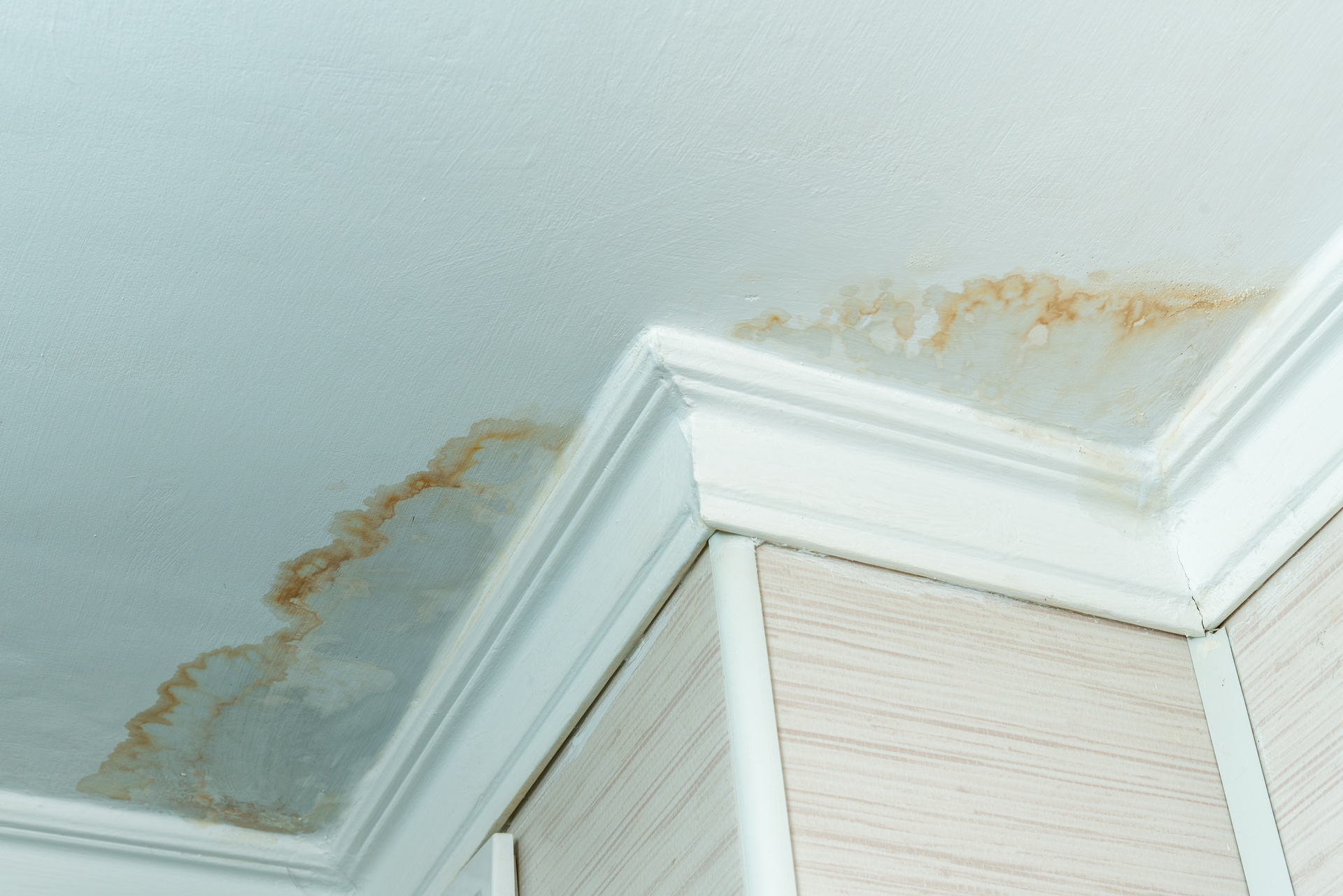
6. Interior Ceiling and Wall Clues
Roof damage often reveals itself indoors first. Watch for:
Water stains
Discoloration
Peeling paint
Bubbling drywall
Mold odor
These signs suggest moisture intrusion that may not yet be visible externally.
7. Attic Inspection
Periodic attic checks provide valuable insight. Indicators include:
Damp insulation
Darkened wood
Visible daylight through roof boards
Musty odors
These conditions confirm moisture entry even when exterior damage is subtle.
8. Ventilation Balance
Proper airflow prevents moisture buildup and temperature imbalance. Blocked or damaged vents trap heat and humidity, accelerating roof material breakdown.
9. Storm Aftermath Review
After heavy rain, wind, or hail, visual inspections become especially important. Debris impact, lifted shingles, and displaced flashing often occur during severe weather.
10. Age Awareness
Roof systems age regardless of appearance. Understanding installation timelines helps homeowners anticipate maintenance needs before visible problems develop.
Jules Albert III, owner of Jaymar Roofing in Slidell, Louisiana, emphasizes that early detection protects long-term structure.
“Roof damage rarely starts as a major problem. It begins with small changes that are easy to overlook. Recognizing those changes early allows homeowners to address issues before larger repairs become necessary,” said Albert.
Why Early Detection Matters
Roof damage affects more than shingles. Moisture intrusion can compromise insulation, electrical systems, framing, and interior finishes. Early correction reduces secondary damage and preserves building performance.
Routine observation requires no specialized tools. A simple visual check from ground level, ladder access when safe, and interior ceiling review provide valuable insight.
Seasonal Monitoring Tips
Spring: Check for winter wear and storm debris.
Summer: Watch for heat-related shingle damage.
Fall: Clear gutters and inspect flashing before rain season.
Winter: Monitor for moisture stains and attic condensation.
Documentation
Photographing roof conditions over time helps identify gradual changes. Comparisons reveal movement, wear patterns, and developing concerns that may otherwise go unnoticed.
When to Seek Professional Evaluation
If any checklist item appears concerning, professional inspection provides confirmation. Early assessment prevents uncertainty and supports informed decisions.
Albert notes that proactive observation simplifies long-term ownership.
“A roof lasts longer when small issues are addressed early. Homeowners who stay aware of subtle changes protect both the roof system and the structure beneath it,” Albert said.
A Practical Habit
Roof monitoring does not require frequent climbing or technical knowledge. Consistent awareness remains the most effective tool. Small observations often prevent large problems.
Protecting the Home
The roof shields every other component of a home. Maintaining awareness of its condition preserves comfort, safety, and value.
By following this checklist, homeowners gain an organized approach to early detection. Awareness replaces surprise. Prevention replaces reaction.
A Final Reminder
Roof damage does not wait for convenience. Early attention keeps maintenance manageable and protects the home as a whole.
For homeowners, awareness remains the first line of defense
Morgan Thomas
Rhino Digital, LLC
+1 504-875-5036
email us here
Visit us on social media:
Facebook
Legal Disclaimer:
EIN Presswire provides this news content "as is" without warranty of any kind. We do not accept any responsibility or liability for the accuracy, content, images, videos, licenses, completeness, legality, or reliability of the information contained in this article. If you have any complaints or copyright issues related to this article, kindly contact the author above.
